
The problem isn’t complexity. It’s the way we tell the story.
A product team can spend years developing a platform, medical technology or industrial system. Then the pitch lands in front of someone who has sixty seconds and no specialist vocabulary. Features, acronyms and architecture diagrams won’t automatically explain why the product matters.
The first job of a good explainer is editorial: decide what the viewer needs to understand, in what order, and what can safely be left out. That is a creative problem before it is an animation problem.
Show the change, not just the interface.
Begin with a person, a task or a familiar frustration. Show what changes when the solution arrives. Only then reveal the mechanism. In fintech, that may be the moment a confusing payment becomes effortless; in manufacturing, it may be the movement of a part through an automated line.
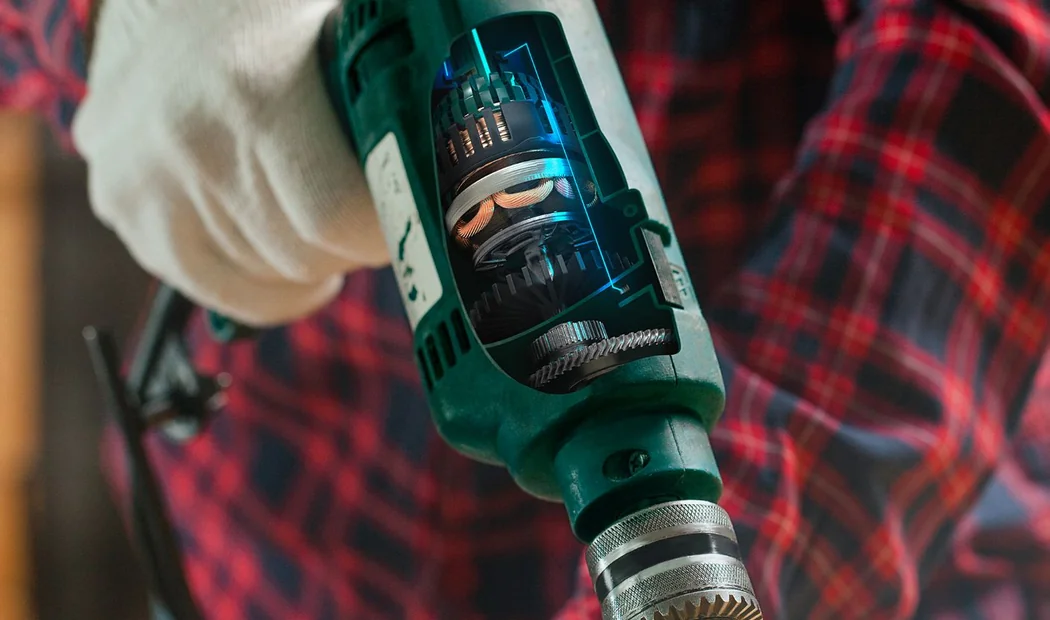
Use the format that serves the idea. 2D motion is excellent for clear systems and interfaces. 3D can explain invisible mechanisms and relationships in space. Live action can make technology feel human. Hybrid approaches often work best.
What to prepare before commissioning a video.
Write one sentence about who should watch it and what they should understand afterwards. Identify the one action you want them to take. Gather your product facts, known objections and any claims that require legal or technical approval.
For a first conversation, you do not need a script or storyboard. A working demo, a messy slide deck or even a complicated diagram is enough to start. Our job is to find the clear story inside it.